Author11: Isha Harris(Co-President)
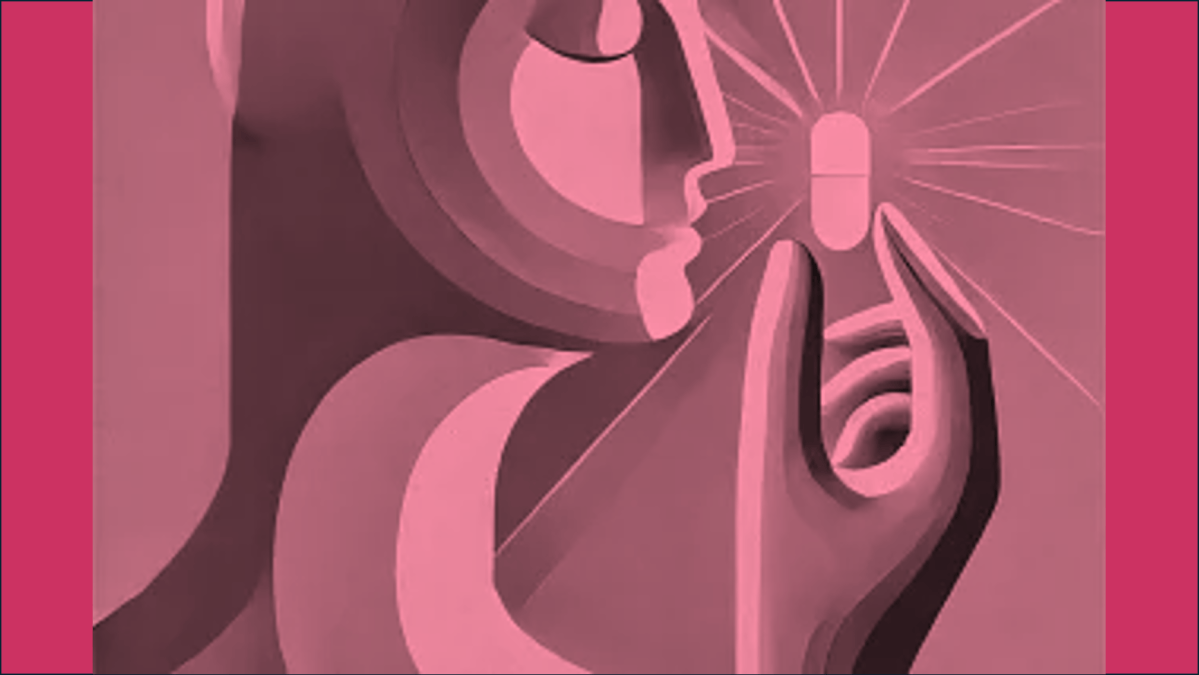
Paracetamol doesn’t get nearly enough credit as a wonder drug. While not as acutely lifesaving as penicillin, the quality of life improvement multiplied by the billions of people who use it means that paracetamol offers a pretty insane contribution to human wellbeing.
At any hint of a headache, I pop a couple pills, and am sorted out in 20 minutes. This saves me a day of pain, and the accompanying physiological stress – the blood pressure spikes, heart rate increases, and general bodily strain that prolonged pain can cause. It’s possible I go overboard with the paracetamol: before an exam, I usually take a few just in case a headache strikes. There’s probably a <1% chance of this happening, but given the huge stakes of remaining headache-free for the exam, I figure it’s worth it. I’ve also carefully optimised my coffee regimen, balancing the optimal buzz with avoiding bathroom breaks. So I arrive at every exam drugged up, ready to lock in. Maybe it’s just the placebo effect of feeling like I’m doping, but if it works it works.
This habit has been received extremely badly by friends and peers. Most people have a much higher threshold for taking paracetamol than me. They gasp at my willingness to take it for ‘minor’ discomfort, and if I suggest they do the same, I’m met with various justifications: toxicity, tolerance, making the headache worse. Or the classic ‘just drink water’, as if hydration and medication are mutually exclusive. Instead of resolving their discomfort quickly and safely, they’ll endure hours of decreased productivity or outright misery.
I think this is quite bizarre, and have always just assumed they were wrong and continued to sing paracetamol’s praises. But this is admittedly quite vibes-based of me, and as a good empiricist, I figured it was time to look into the data before I continue to assert that I’m right. Here’s what I found.
On paracetamol toxicity:
- For patients without prior health risks or sensitivities, paracetamol causes few to no side effects at recommended doses. A paracetamol dose has a few slight immediate side effects. For example:
- Prolonged, daily use at maximum dosage *might* pose risks. Long-term use has been linked to possible increases in blood pressure and cardiovascular events, though findings are inconsistent. For example:
- Medication overuse headache, or ‘rebound headache’, is a genuine risk for very frequent users. With time, regular overuse can lower your baseline pain threshold, leading to persistent, often severe headaches that don’t respond well to analgesics. It can be seriously disabling. But in the case of paracetamol and ibuprofen, MOH typically only develops after taking it on 15 or more days per month for months or years. Significantly higher than the occasional use I describe.
- Paracetamol is safer than other painkillers. Ibuprofen, while still extremely safe, has higher risks of stomach irritation and other adverse effects. Ref
- Overdosing is very dangerous. Paracetamol has a narrow therapeutic window, meaning the difference between an effective dose and a toxic one is small. Excessive intake can cause severe liver damage. Ref
Some other common myths:
“It interferes with your fever, which we’ve evolved for a reason.”
- The data suggests paracetamol might only slightly prolong the duration of an illness (a few hours), if at all. Ref
“You’ll build a tolerance, and it won’t work anymore.”
- I couldn’t find any studies at all that suggest paracetamol tolerance.
- Paracetamol works via COX enzyme inhibition, not receptors like opioids or caffeine, so tolerance couldn’t develop by the same mechanisms anyway.
“Pain is natural, and good for you! It’s better to let your body build resilience.”
- While much is said about the risks of taking paracetamol, few people talk about the cost of untreated pain.
- Pain isn’t just unpleasant – it’s physiologically damaging. Ref It triggers the stress response, engaging the sympathetic nervous system and releasing adrenaline, which raises your heart rate and blood pressure. And it makes us miserable – mental state is a huge, and overlooked, predictor of human health.
In conclusion, paracetamol is incredibly safe when used correctly. Occasional, moderate use – like my once-a-fortnight headache relief – is nowhere near the thresholds associated with risk.
Purity culture
I think that the aversion to paracetamol is a symptom of modern purity culture. There’s a growing tendency to glorify ‘natural living’, and to believe that struggling through life without help from modernity is something we should strive for. I disagree – enduring pain unnecessarily doesn’t make you virtuous; it’s just bad for you.
There are plenty of other examples.
- Reluctance to use epidurals during childbirth. And the rise of home births. Epidurals are safe; home births are not. But people have got it the wrong way round, because they assume natural = good.
- Washing your hair less is good for it. I too was taken in by this as a teenager, enduring greasy hair and being miserable for days. But one day I remembered I have free will, and didn’t actually have to live like this. And I have seen no difference in my hair whatsoever.
- The ChatGPT backlash. Camfess is currently embroiled in AI debate, with Cantabs coming up with all kinds of bizarre reasons to be against it (water/energy use, Big Tech and capitalism is bad, sanctity of art, weird claims about training data being exploitative).
The obsession with preserving ‘sanctity’ is maddening. Clinging to tradition for its own sake; suffering through inefficiency for strange abstract reasons of nobility. I hear this depressingly often from my fellow medical students, who claim that a future of AI in medicine threatens the sanctity of the patient-doctor interaction. But if AI can deliver zero wait times, more accurate diagnoses, and better outcomes (as the evidence suggests it can) doctors are Hippocratically obligated to endorse its rollout.
I have a hunch that this purity culture is a legacy of religion, which has a habit of resisting perfectly benign pleasures, like masturbation, for no reason. A lot of people around me are turning to Buddhism (Ref), which I find the whole shtick to be arguably the endurance of suffering. Each to their own, but it doesn’t seem like a very pleasant life, or really that necessary.
Humans have always resisted change, clinging to the familiar even when it doesn’t serve them. It’s why progress, whether in technology or social norms, is so often met with opposition. This is even true amongst many progressives, who are bizarrely circling back to conservatism on many fronts. The vast majority of the AI luddites I have encountered are leftists.
It’s such an exciting time to be alive. Technology and medicine make our lives easier, freeing up time and energy for productivity – or simply pleasure. So embrace it! Life is for living, not enduring. This means using the tools available to us, and supporting innovation to make even more.
The moral of the story: don’t lose an entire day to a headache. Pop that paracetamol.
- This article was originally posted on Co-President’s personal blog and adapted for publication here for CUSAP. ↩︎
Discover more from Students Against Pseudoscience
Subscribe to get the latest posts sent to your email.
 Students Against Pseudoscience