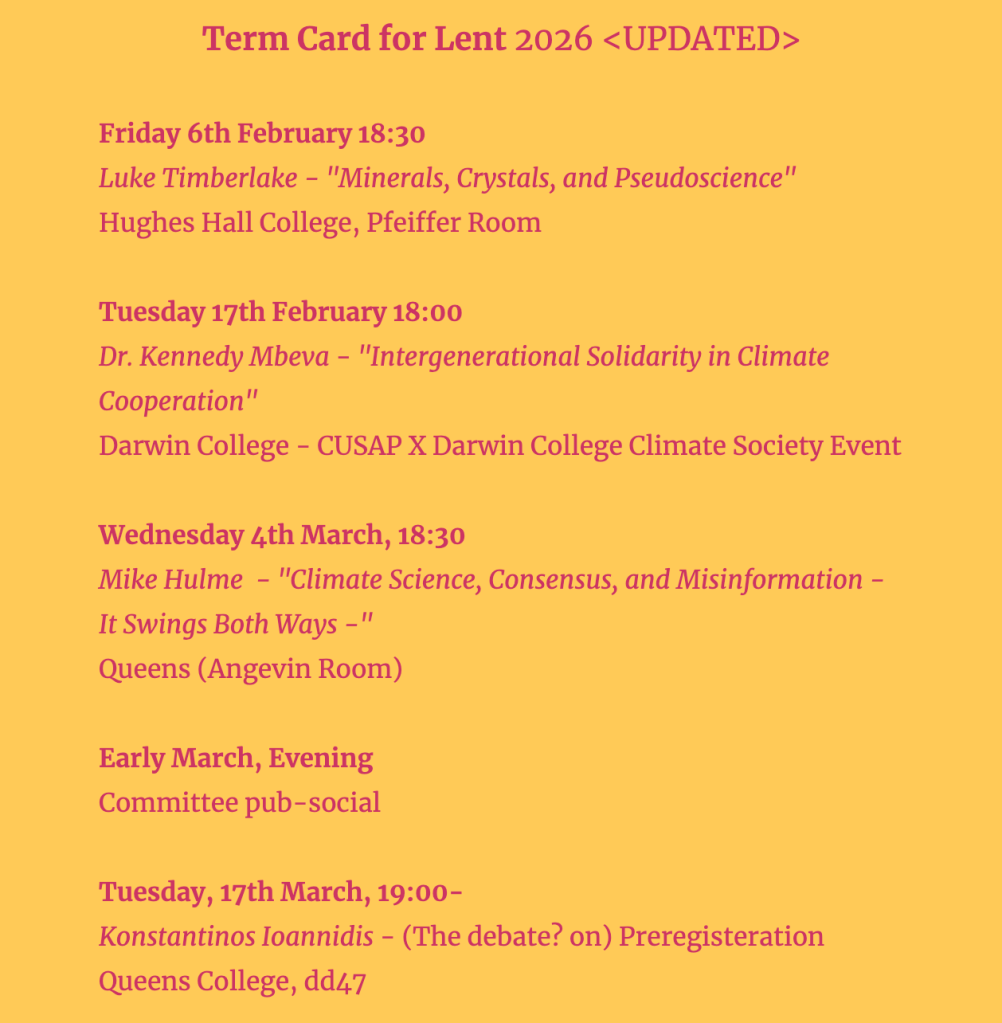
Lent 2026 Termcard
Past Events
Ig Nobel: The whimsy and the magic of science
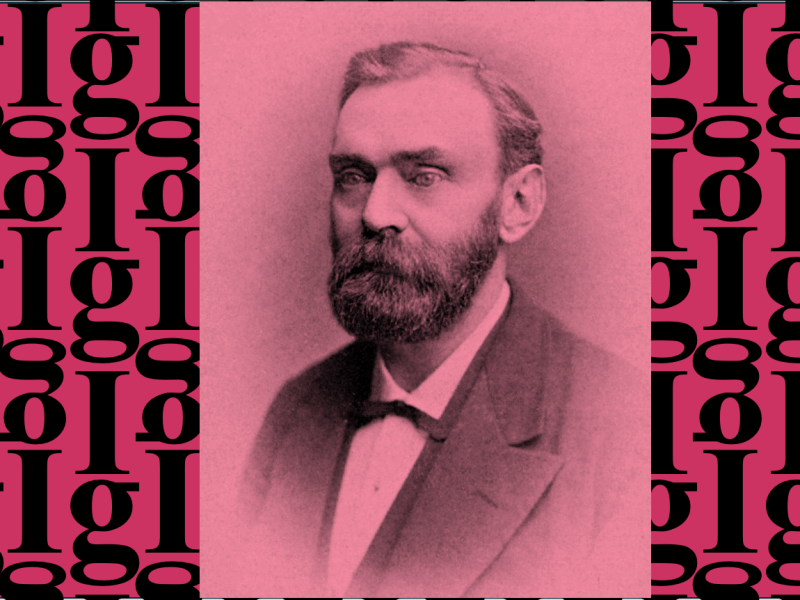
Author: Maya Lopez (Co-President) When the 2025 Nobel Prizes were announced last month, Cambridge’s science enthusiasts and news junkies alike were buzzing with excitement, discussing the laureates, dissecting the research, and tallying college wins. However, I noticed less talk around a month earlier on the Ig Nobels”. Maybe because no Cambridge members were awarded this…
Fiscal Cakeism
Author: Andreas Kapounek (Treasurer and Sponsorships officer) There are different ways to increase government revenue (a non-complete list): Nevertheless, it often seems like politicians neglect the economic realities that trade-offs between these three streams pose. Tax more? You run the threat of depressing economic growth (as you reduce the incentives to start or expand a…
CUSAP After Hours: Debate with compassion while sharping your philosophical razors
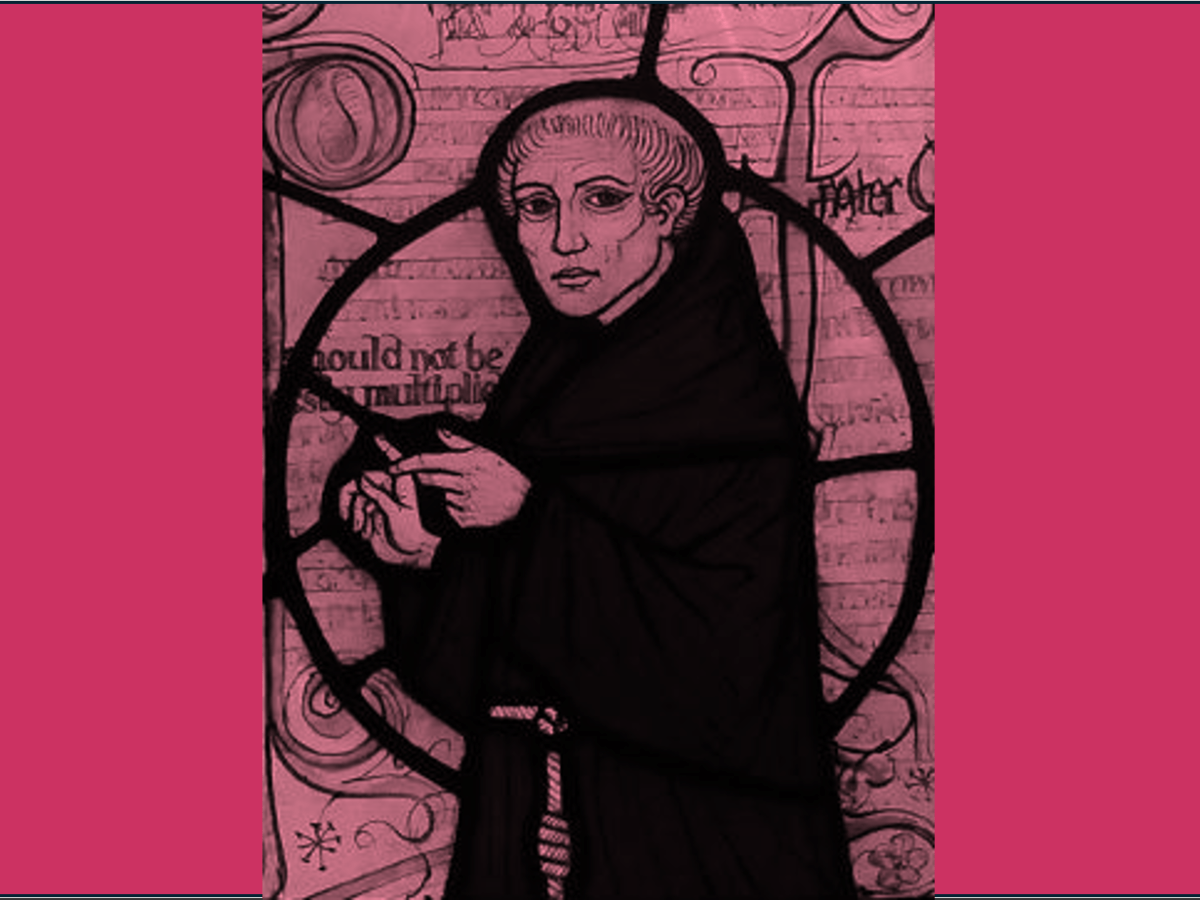
Author: Maya Lopez (Blog Chief Editor) Following our first event in 2024 which was more of a lecture format, we then had a workshop on debating – but with a dash of compassion – to see if we can really change minds. This was organized by our two co-chairs of CUSAP, where we discussed the…
Unpacking Immigration Misinformation in The 2024 Elections: Claims, Facts, and Psychological Influence
Author: Leila Yukou Lai (Speakers and Academics Officer) During the 2024 elections in both the UK and the US, immigration emerged as a prominent issue in political campaigns. Figures like Farage claimed that, “Mass immigration is making Britain poorer……. half of the immigrants coming to the UK are dependents who do not work” “We need…
CUSAP After Hours: Pseudoscience – the Science through the Looking Glass
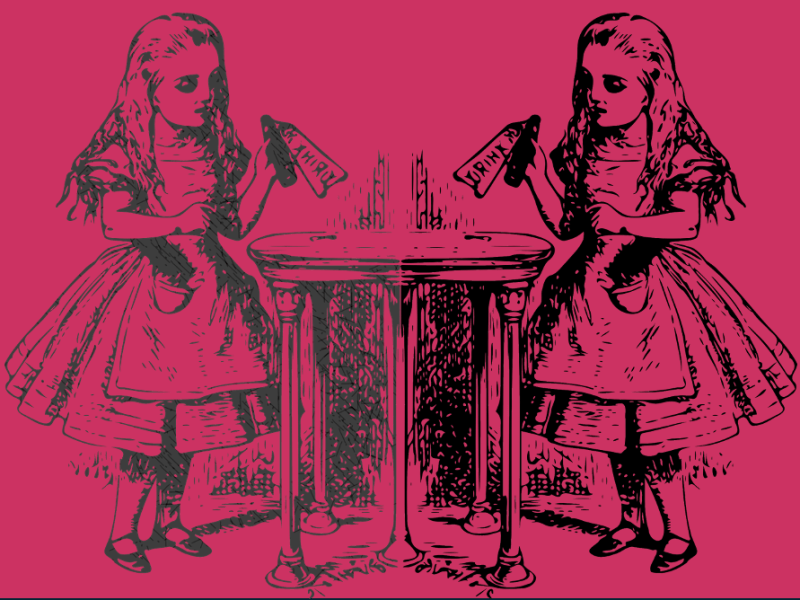
Author: Maya Lopez (Blog Chief Editor) One way to describe pseudoscience is perhaps a distorted science. In some way or another, they present features that feel scientific, even to an exaggerated level. However, as the mirror separates the un-melding reality and its reflection, such distinction can be made between science and its reflection – pseudoscience. …
Using Critical Thinking to Build Resilience Against Misinformation Professor – Prof. John Cook
We welcomed Professor John Cook, Research Assistant Professor at the Center for Climate Change Communication at George Mason University, for our first presentation of Lent term. Prof. Cook has built on decades of research into inoculation theory in the field of behavioural psychology, and in his talk, discussed how this may be applied to climate change denial. His talk, titled “Using…
A critical look at so-called alternative medicine (SCAM) – Prof. Edzard Ernst
We welcome Prof Edzard Ernst, formerly Professor of Complementary Medicine at the University of Exeter, the first such academic position in the world. He is founder of three medical journals and has been a columnist for many publications. His work has been awarded with 17 scientific awards (most recently the John Maddox Prize in 2015…
Misinformation in the Digital Age – Prof. Stephan Lewandowsky, Dr Jon Roozenbeek, Prof. Sander van der Linden
We welcome Professor Sander van der Linden, Dr Jon Roozenbeek and Professor Stephan Lewandowsky, our expert panel on misinformation in the digital age. We tackle questions including “how can we fight against misinformation?” and “how does fake news affect our society?” Professor Stephan Lewandowsky, Chair of Cognitive Psychology at the University of Bristol, is an…
On The Ethics of Vaccination – Prof. Julian Savulescu
Arguably the best chance of escape from the COVID-19 pandemic is vaccination. But growing vaccine hesitancy has already jeopardised herd immunity for diseases such as the measles. A new vaccine, for a disease that poses a lower risk than measles, for much of the population, is likely to be subject to similar concerns. Indeed, polling…

Term Card for Michaelmas 2020
 Students Against Pseudoscience